MEDIA AND RESOURCES
News
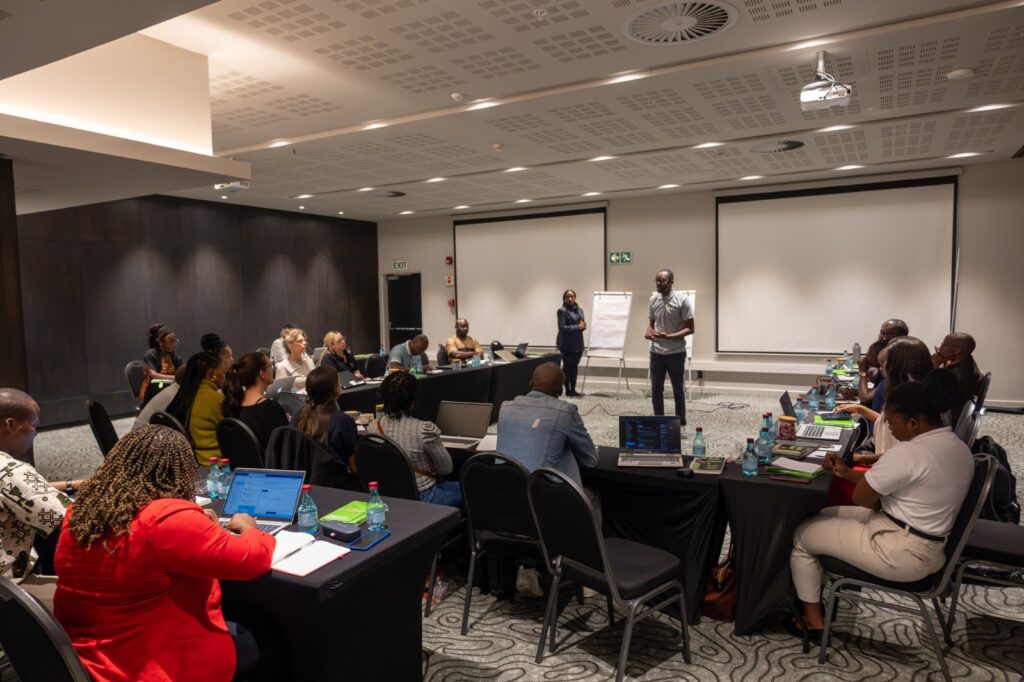
Strengthening Advocacy and Communication for Climate Action: Insights from AACJ Workshop
In a concerted effort to fortify advocacy and communication strategies for climate action, the recently concluded Advocacy and Communication Training/Workshop under the African Adaptation and Climate […]
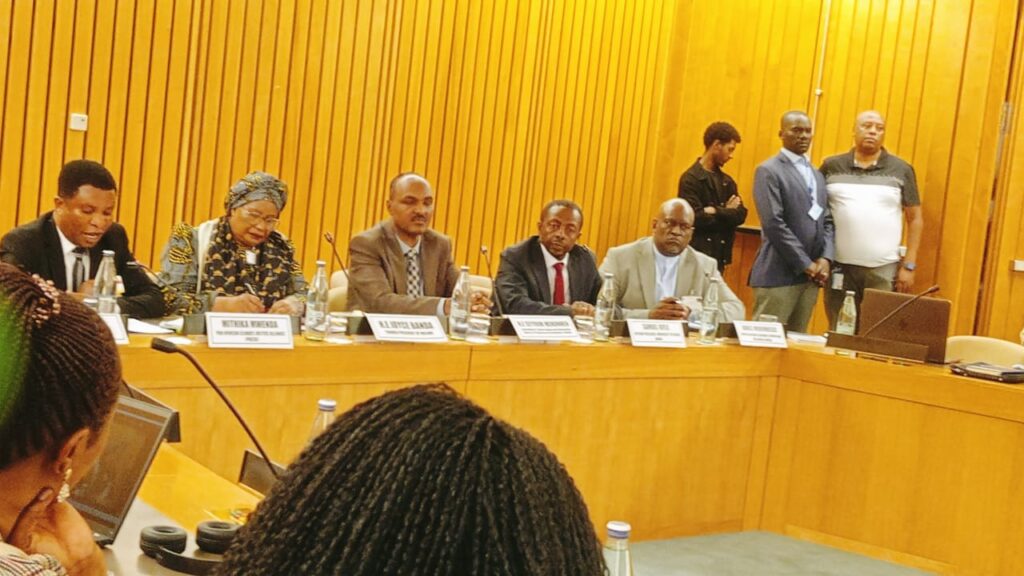
PACJA shares its perspective on developing a successful third-generation NDC strategy
Today April 22 2013 marks the official start of the 10th Africa Regional Forum on Sustainable Development in Addis Ababa, Ethiopia. On the first day of […]
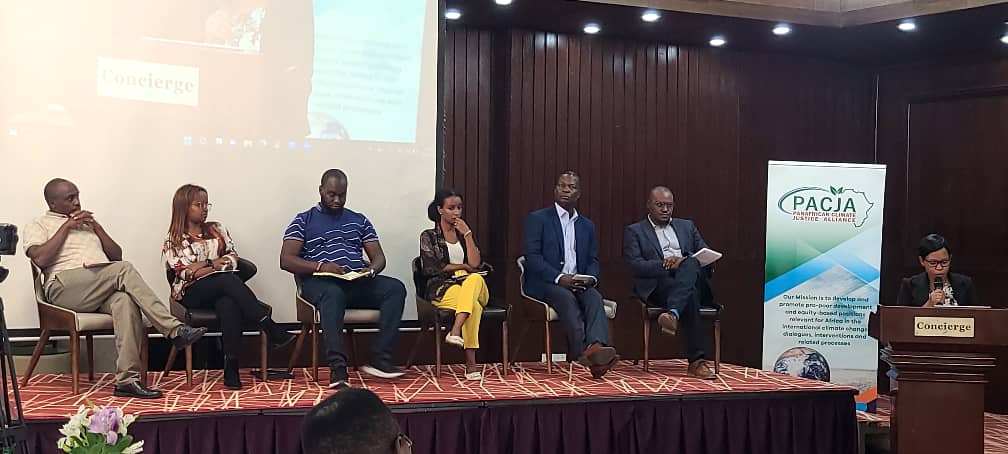
PACJA, Partners underscore Adaptation and Finance as top priorities for Africa
The Pan African Climate Justice Alliance, along with CARE International and other partners, held a press conference to underline Adaptation and Finance as top priorities for […]
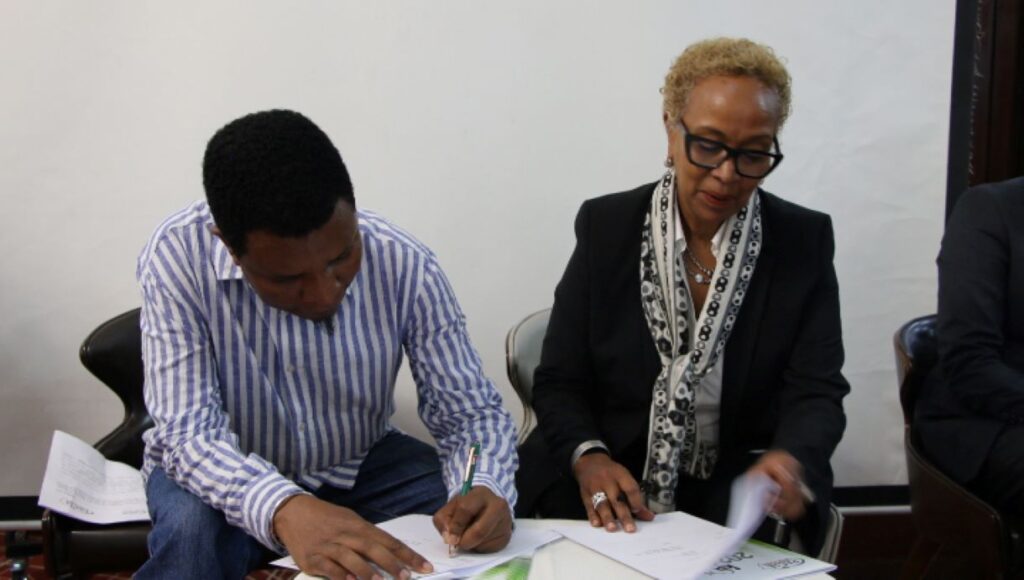
PACJA, AMFREF in a New Deal on Climate Change and Health
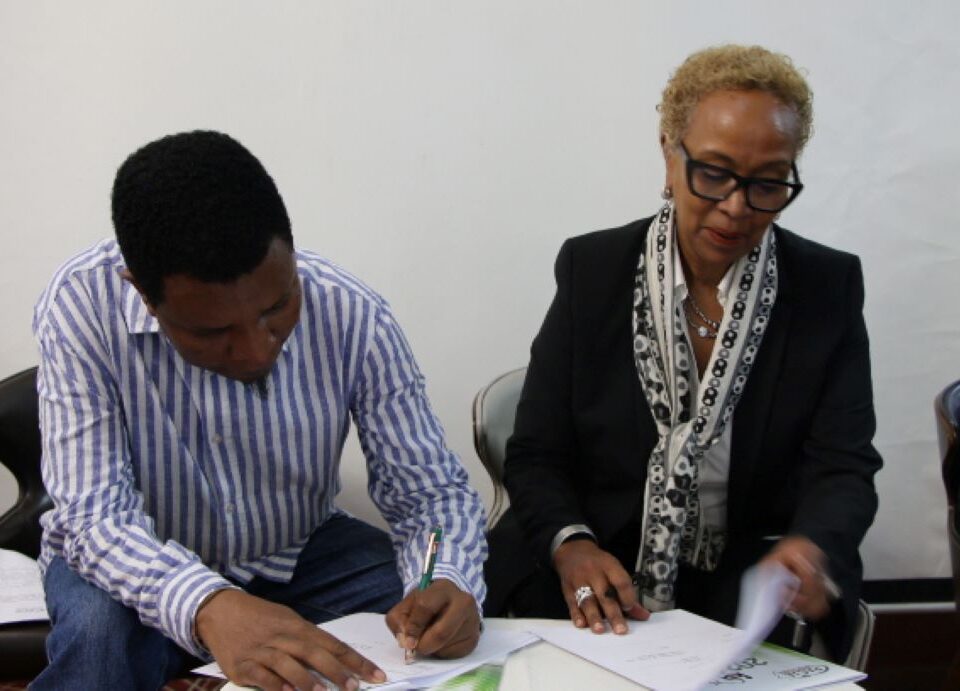
The Pan African Climate Justice Alliance and AMREF Africa have signed a memorandum of understanding, formalizing their partnership in addressing the intersection of climate change and […]

PACJA Calls for Centring Health in Climate Policies for Health Equity Promotion
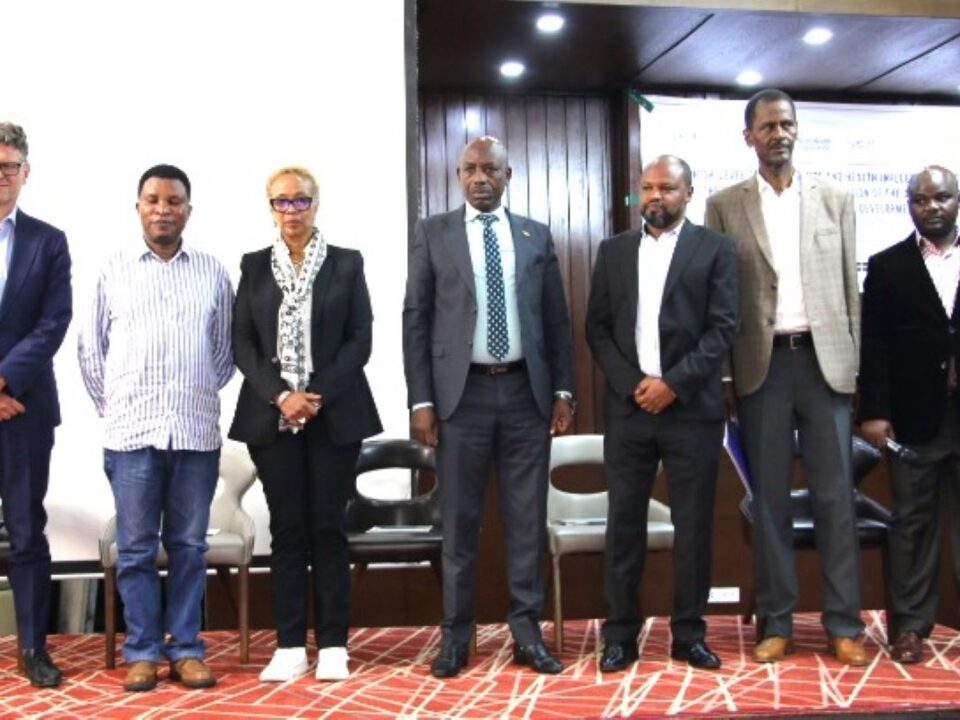
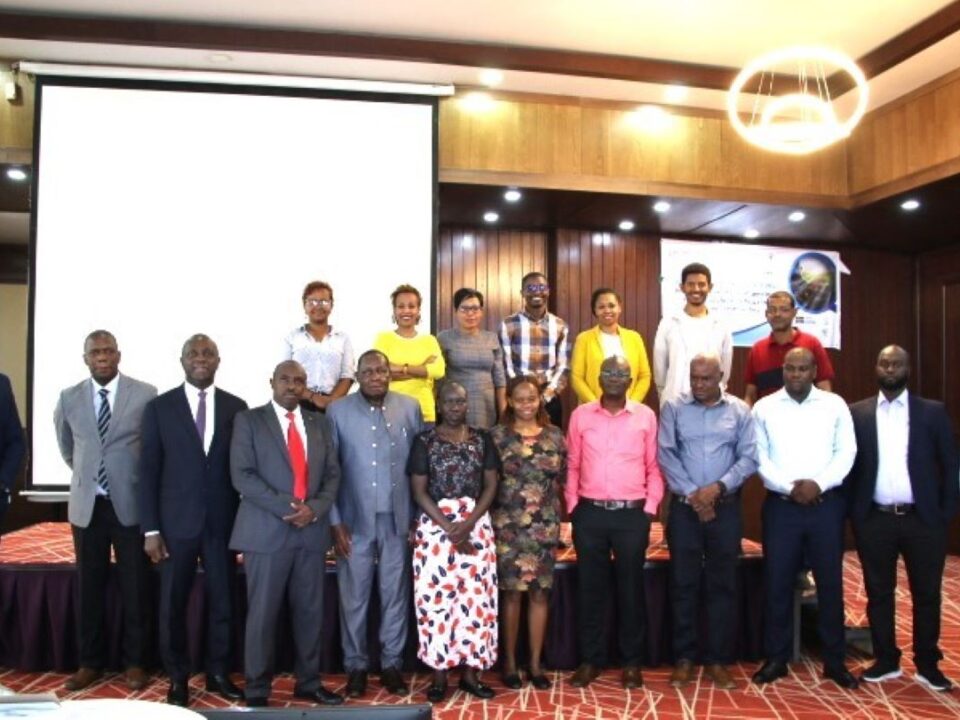
During the two-day High-Level Climate Change and Health workshop, which took place on the sidelines of the Tenth Session of the Africa Regional Forum on Sustainable […]
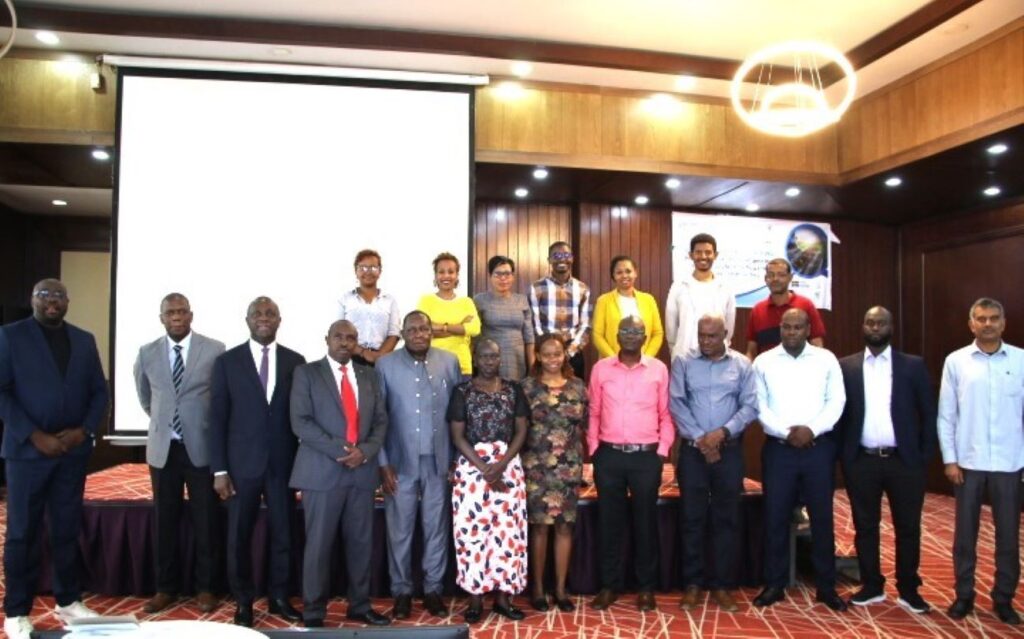
ARFSD -10: CSOs Discussed Pragmatic Actions in Influencing Adaptation Finance Flows To Frontline Communities
On 17th April 2024, PACJA and its partners held a side event ahead of the 10th Africa Regional Forum on Sustainable Development in Addis Ababa, Ethiopia […]
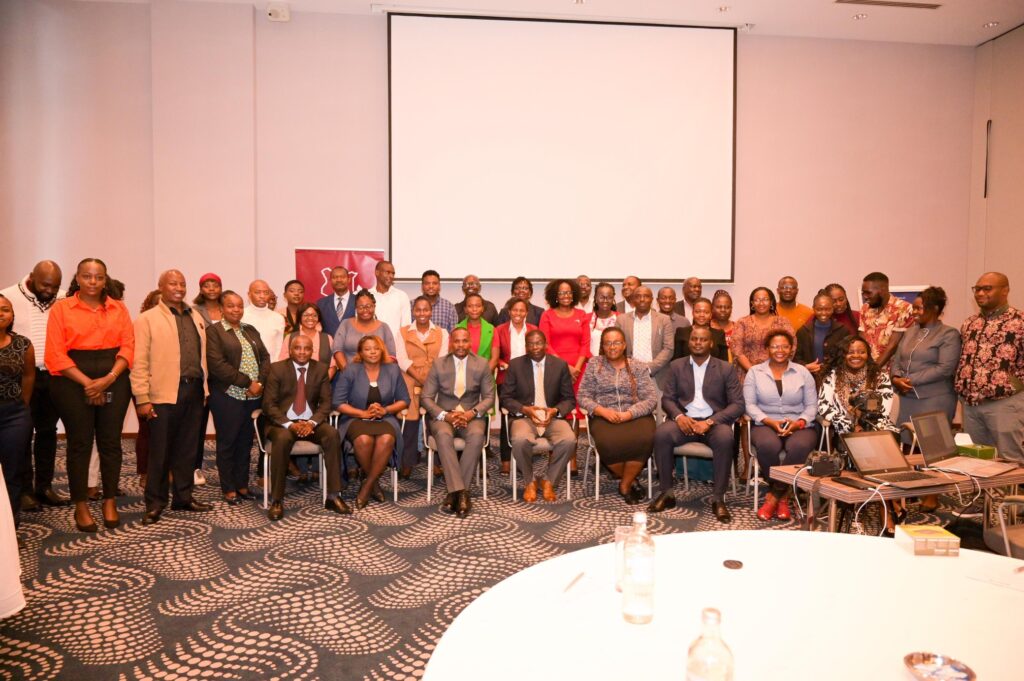
Shaping African Narratives Through Capacity Strengthening of Journalists and Editors
In recent years, conversations surrounding climate change and development have taken center stage on the global agenda. With severe climatic conditions threatening lives and livelihoods and […]
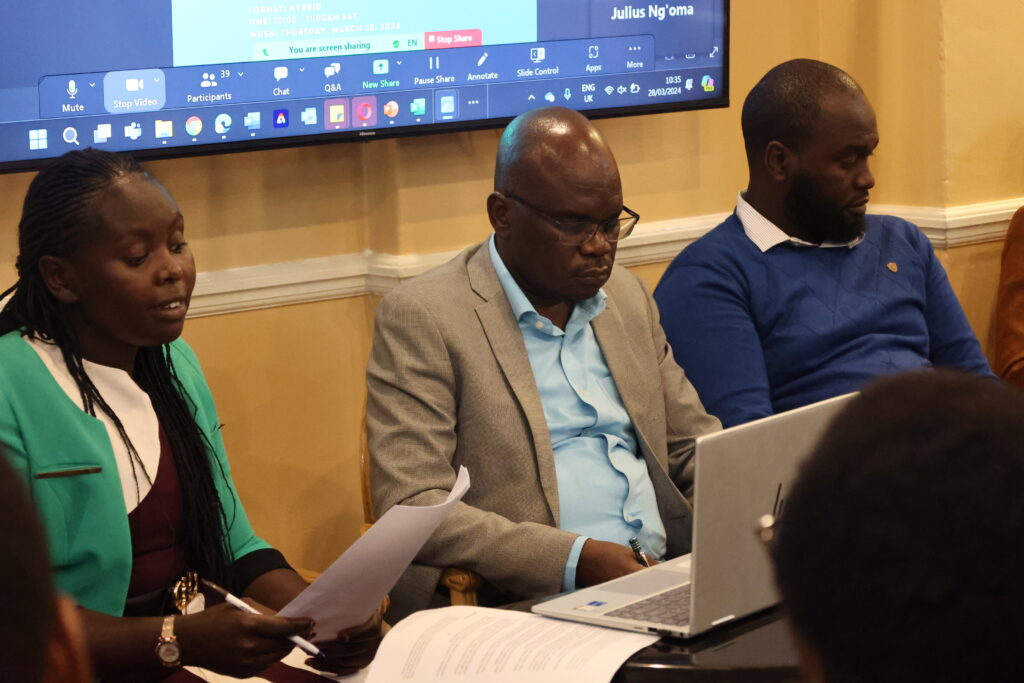
Press Statement: African Non-State Actors Urge A Recall of the Unjust and Unorthodox Decision of Locating the Santiago Network On Loss & Damage In Geneva
Nairobi, Kenya; March 25, 2024 Pan Africa Climate Justice Alliance, its allies and partners, representing the active agency of Non State Actors from across Africa is […]
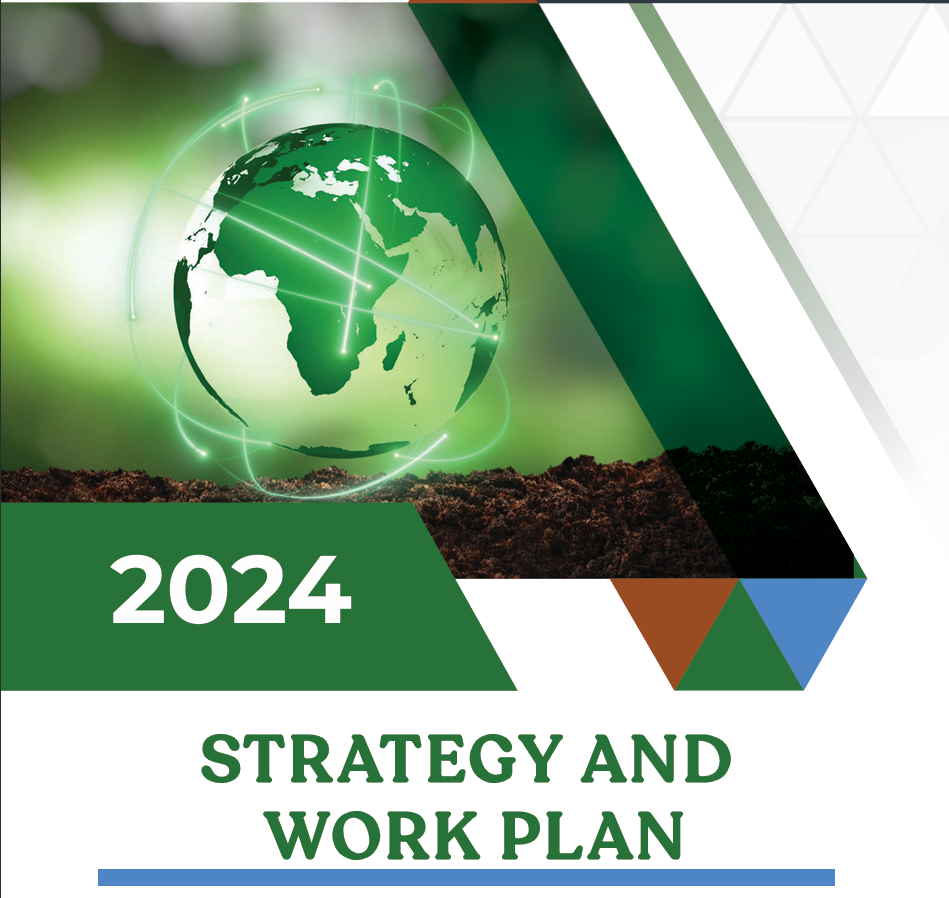
PACJA 2024 Strategy
PACJA 2024 STRATEGY 1. CONTEXT The Post-COP28 context presents both opportunities and challenges for advancing climate diplomacy in equal measures. The continued expansion of fossil fuels […]
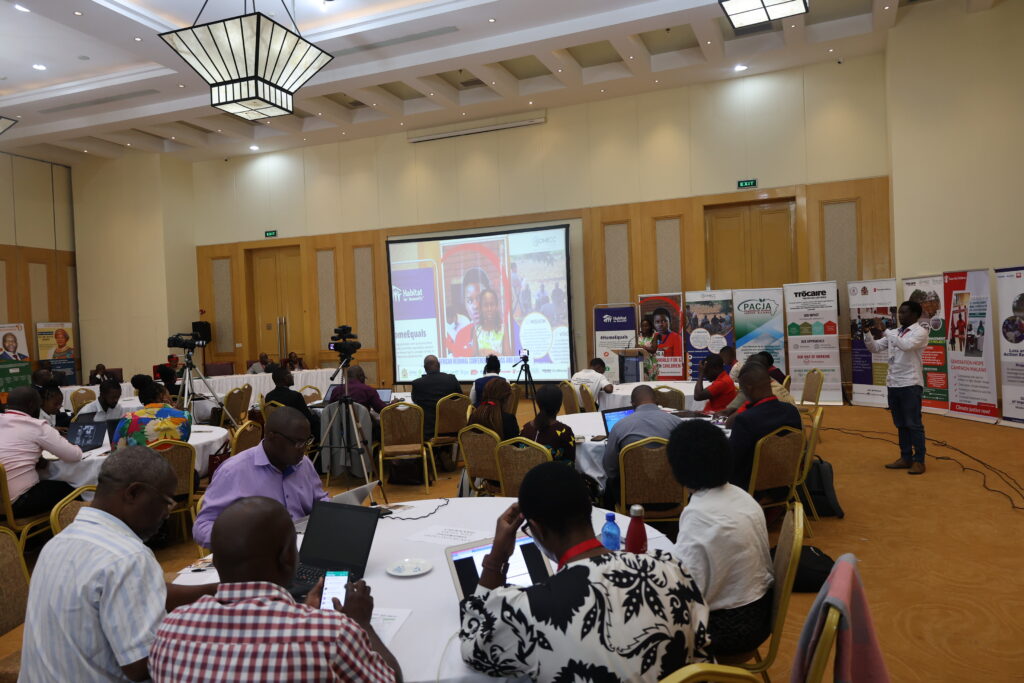
Declaration of the Third African Regional Conference on Loss and Damage
Lilongwe, Malawi; March 22, 2024 Preamble The third Africa Regional Conference on Loss and Damage, aimed at providing a platform for African stakeholders to develop strategies […]
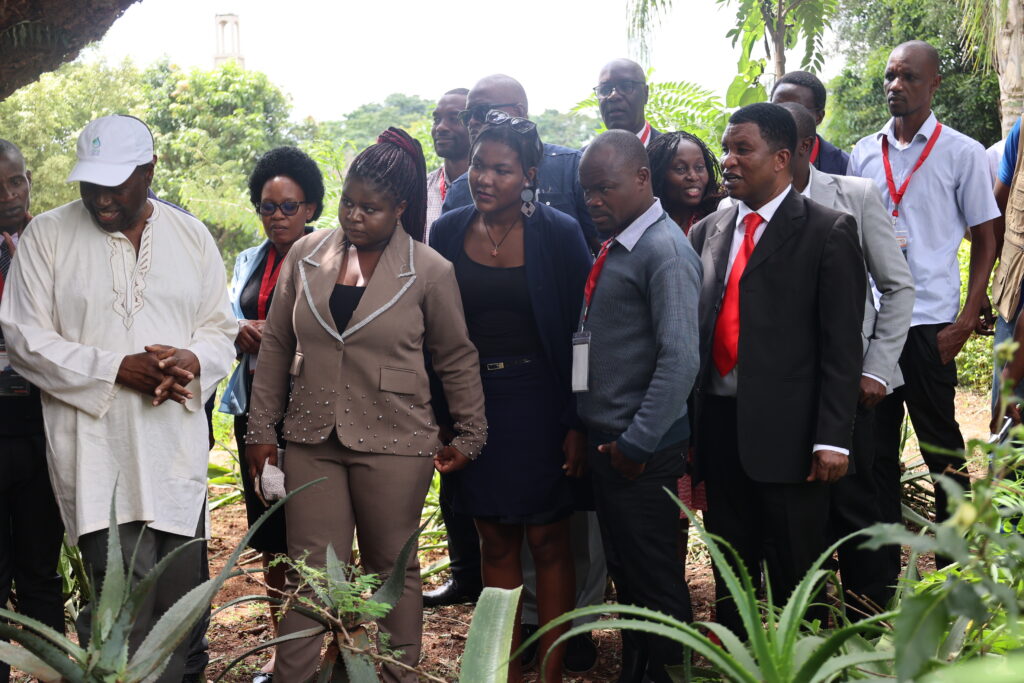
Harmonizing Loss and Damage: Bridging Climate Impact and Ecosystem Resilience
The second day of the 3rd African Regional Forum on Loss and Damage commenced with renewed enthusiasm as delegates engaged in a thorough review of the […]
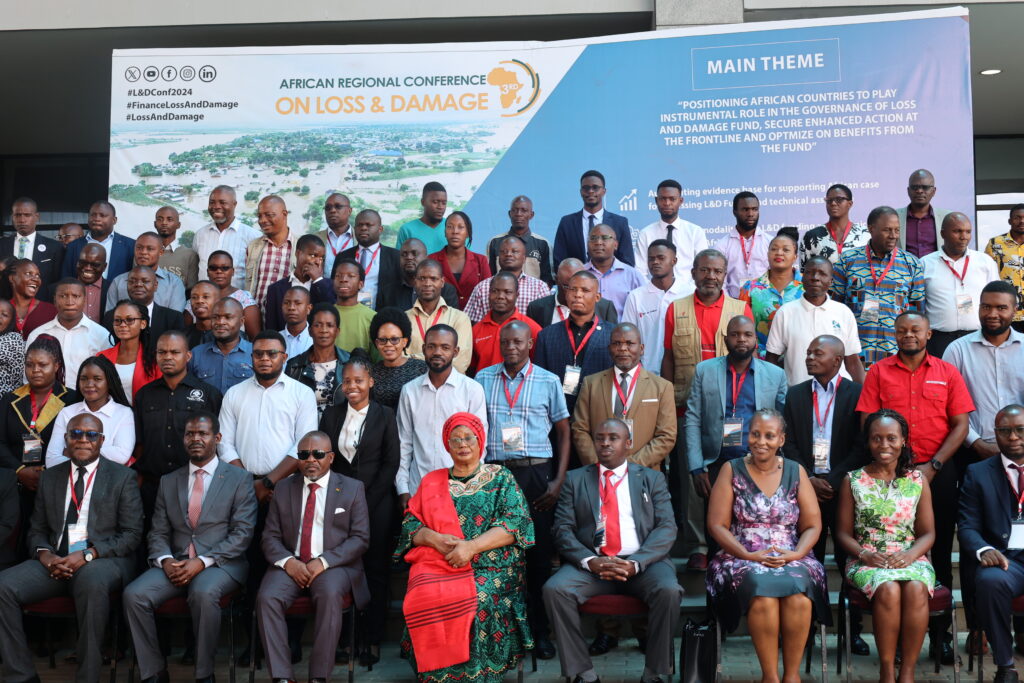
Navigating Climate Change Impacts in Africa: Perspectives on Loss, Damage, and Financial Resilience
The discussions surrounding loss and damage are deeply poignant as they grapple with the profound impact on individuals and communities. These conversations are characterized by the […]
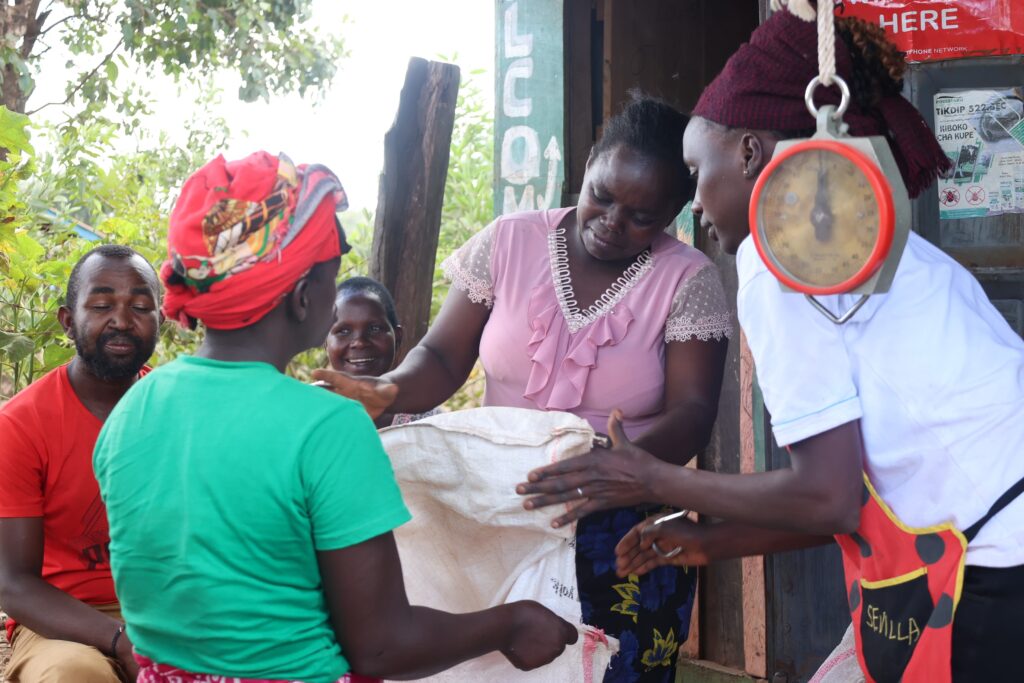
GUARD Africa Project Transforms Meru County Through Locally Led Adaptation Initiatives
On March 14th, 2024, the Pan-African Climate Justice Alliance, in collaboration with the Swedish International Development Agency (SIDA), embarked on a significant journey to witness firsthand […]
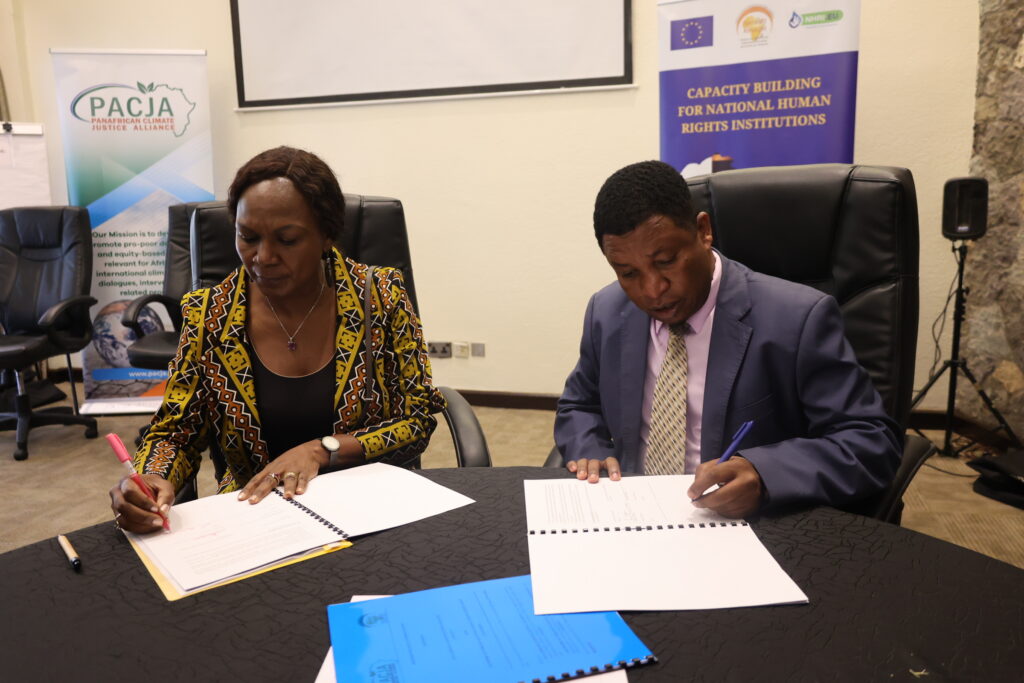
PACJA and Rights Group Strengthen Ties
On March 12, 2024, a significant milestone was achieved as The Pan-African Climate Justice Alliance and National Human Rights Institutions officially solidified their collaboration through the […]
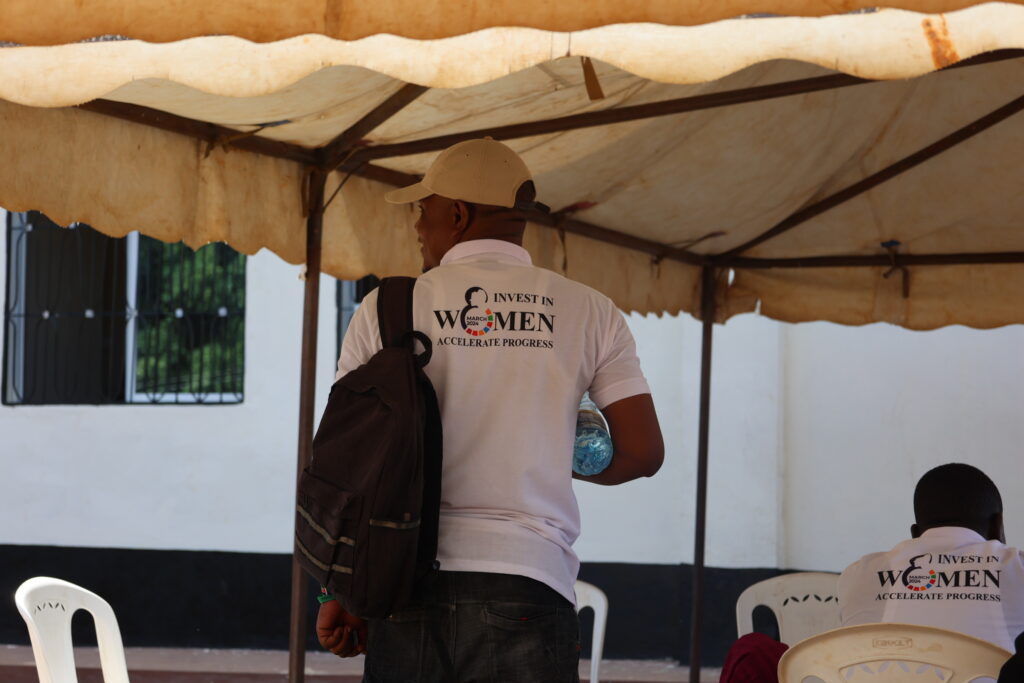
International Women’s Day: Uniting for Climate Justice and Empowerment
International Women’s Day (IWD) in 2024 witnessed a vibrant and impactful celebration by the Pan-African Climate Justice Alliance (PACJA) and its partners across the globe. The […]
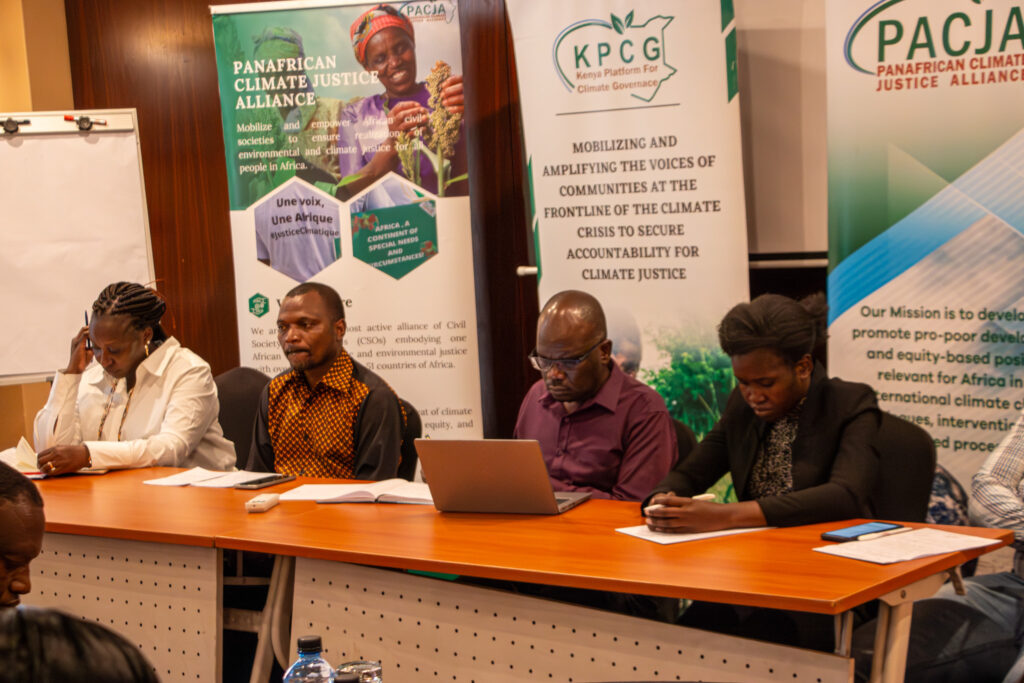
Press Statement: The Current Model of GCF Financing is not Working for Africa
A Bold Call for Transformation in the GCF This Statement outlines key concerns and perspectives of the Non-State Actors, under the convenorship of the Pan African […]
Seize the Moment: Nairobi Summer School on Climate Justice Offers African Youths a Transformative Journey Towards Environmental Leadership
As the application deadline for the Nairobi Summer School on Climate Justice rapidly approaches, prospective participants find themselves on the brink of a unique opportunity. With […]
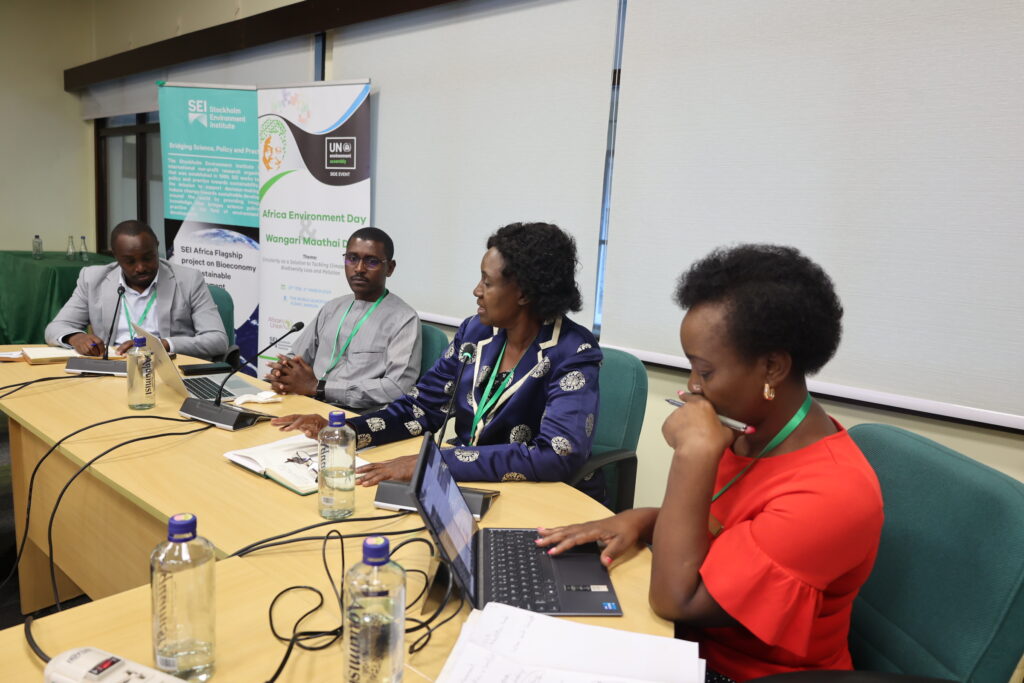
Unlocking Circularity: A Blueprint for Tackling Climate Change, Biodiversity Loss, and Pollution
In the fast-paced world of environmental sustainability, our recent session on innovative business models for circularity has illuminated a path forward. As we dive deeper into […]
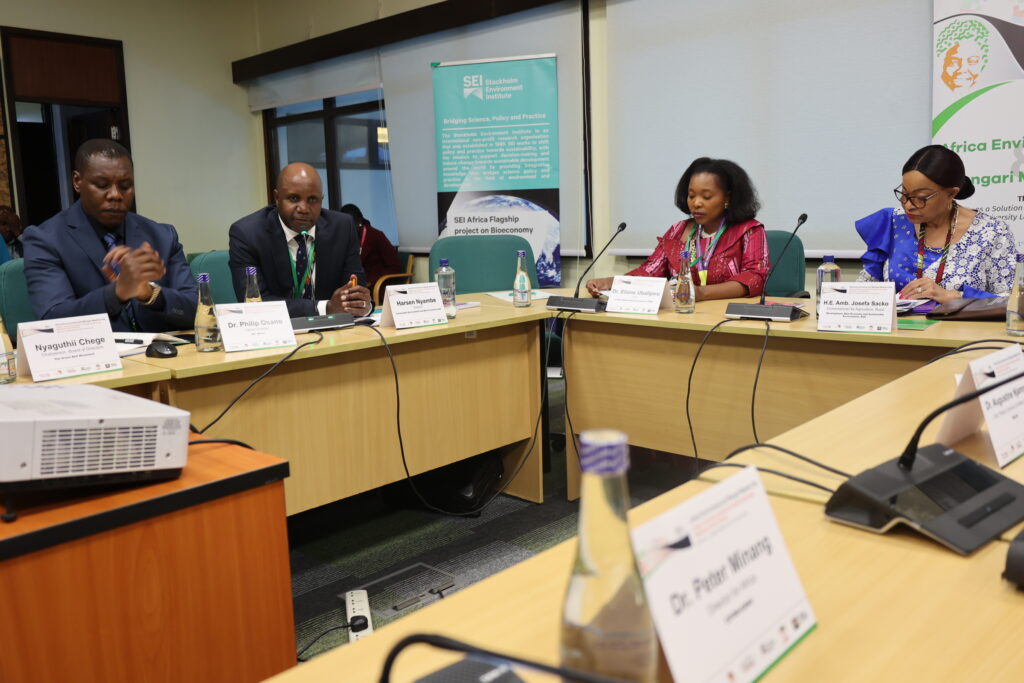
Nurturing a Circular Future: Celebrating Africa Environment Day in Wangari Maathai’s Footsteps
In 2002, the Organization of the African Unity Council of Ministers, in their meeting in Durban, South Africa, designated Africa Environment Day as a response to […]
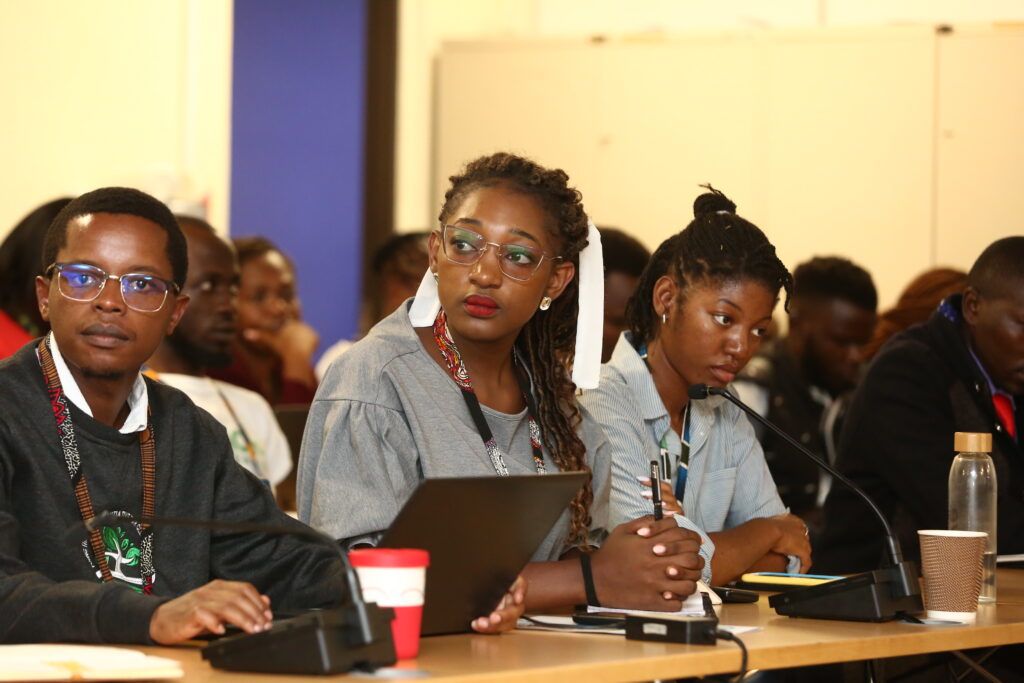
Empowering Women for Climate Action: Insights from Leaders at UNEA-6 Side Event Forum
Yesterday, we had the privilege of delving into the wealth of wisdom shared by leaders from esteemed organizations such as FEMNET, Natural Justice, Africa Youth Commission, […]
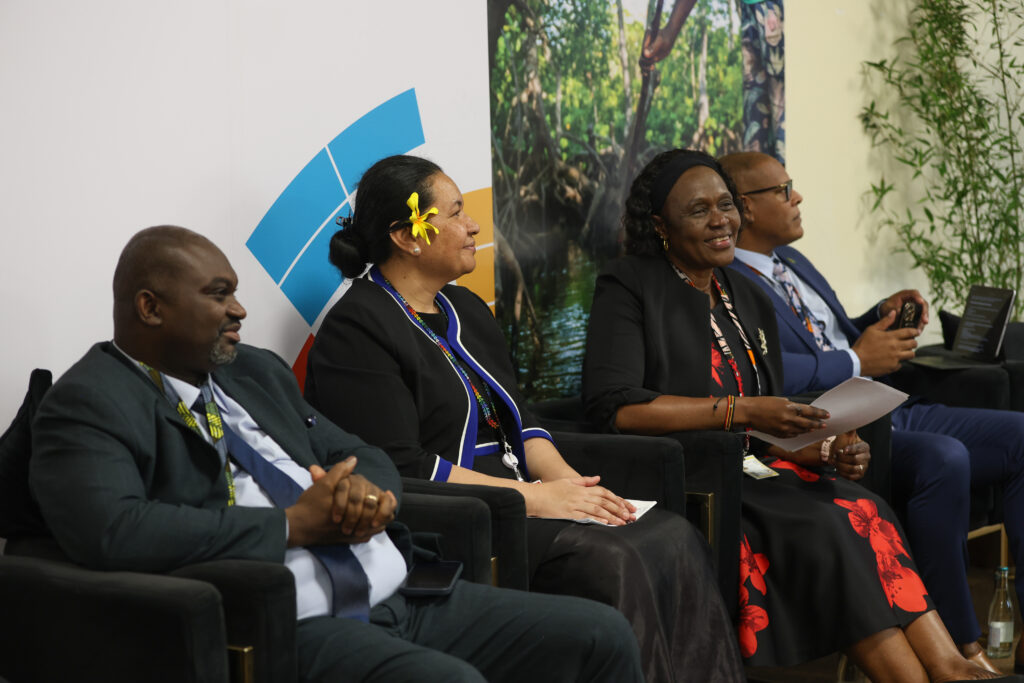
The Interconnected Challenges of Human Mobility and Climate Change
The recent high-level policy dialogue on human mobility within the context of climate change has illuminated the pressing issues facing our world. The dialogue, featuring representatives […]
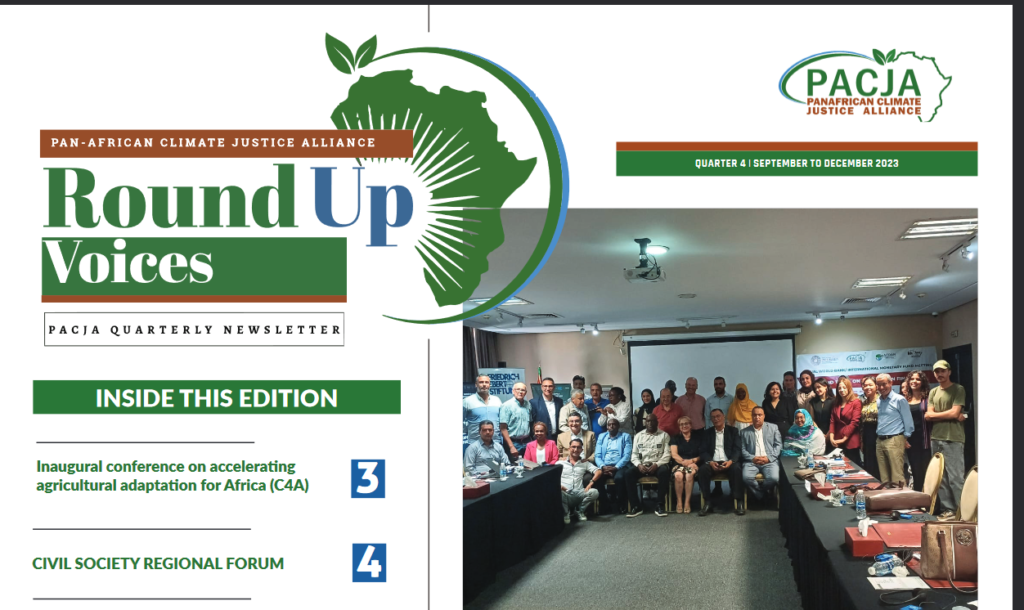
Quarter 4 October- December 2023 Pan-African Climate Justice Alliance Voices Round-Up
2023: Qt 4 Newsletter Throughout the past year, our team has been fully engaged and diligently occupied with a multitude of responsibilities and projects., marked by […]
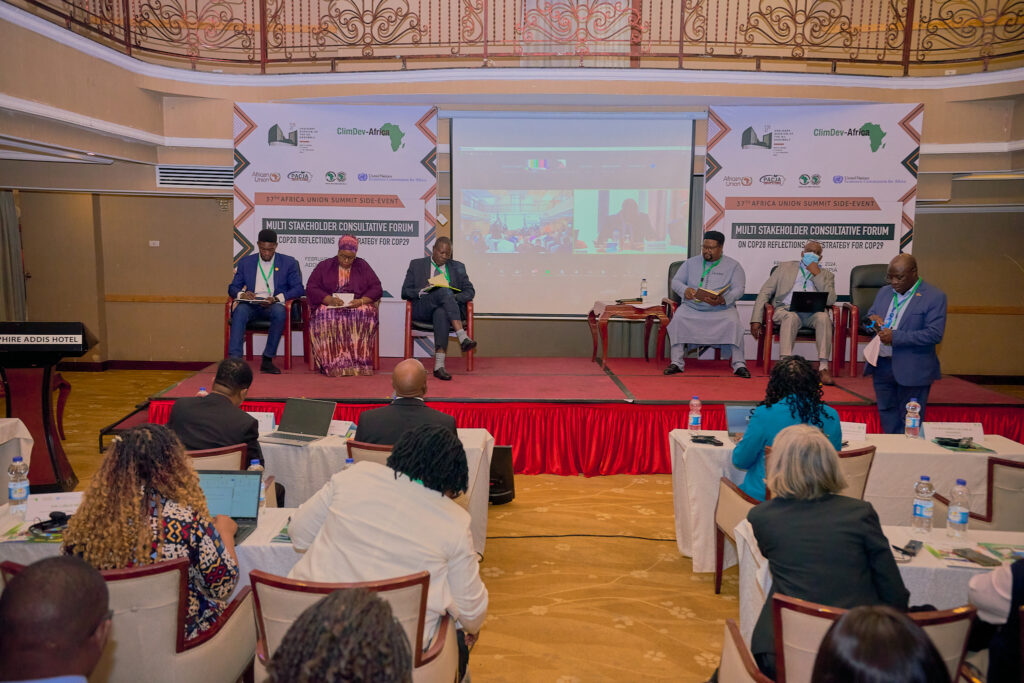
Multistakeholder Consultative Forum Recommendations to the 37th AU Heads of States Summit on Strengthening Governance of Climate Action in Africa
Read here in English or French In the wake of multifaceted challenges facing the African continent, a Multistakeholder Consultative Forum was convened on the 12th and […]
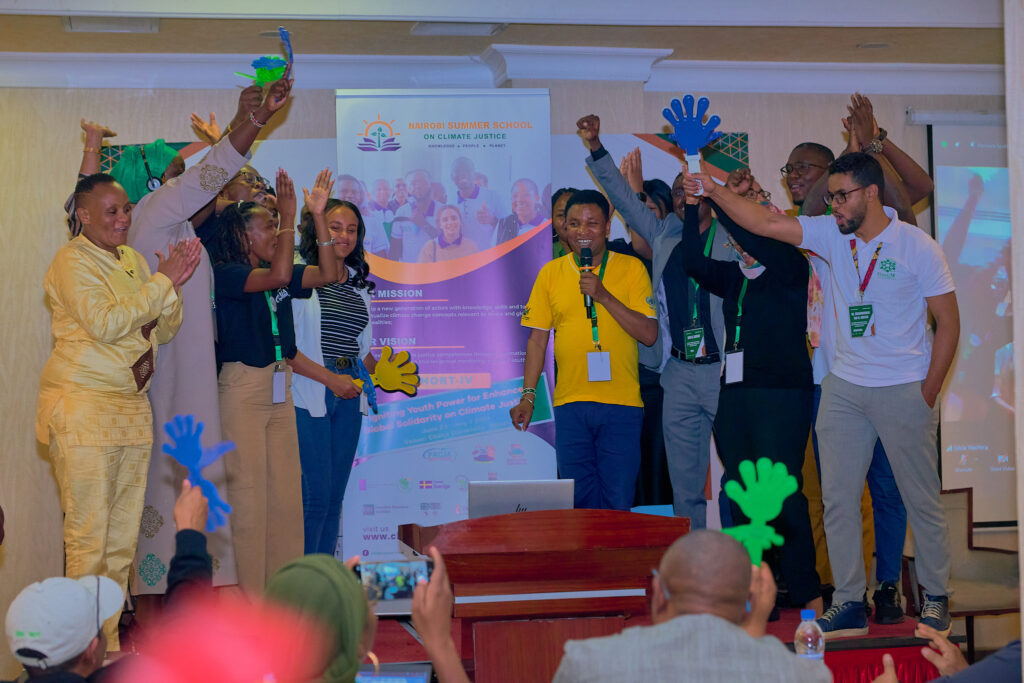
Empowering Africa’s Youth, Nairobi Summer School Cohort IV Sparks Youth-Led Global Climate Action
In a significant leap toward empowering young African activists in the realm of climate justice, the fourth cohort of the Nairobi Summer School on Climate Justice […]